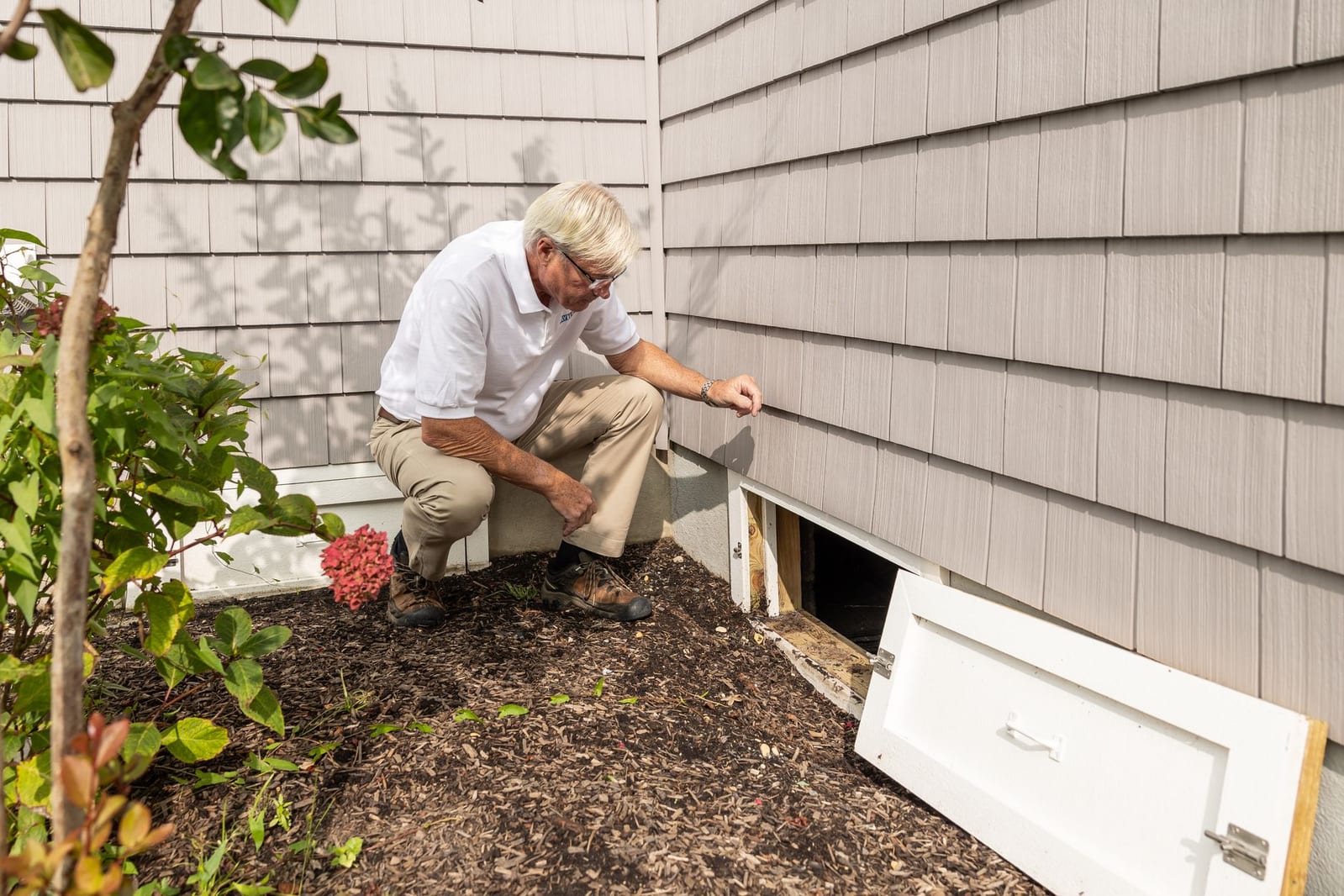
Building inspection in Brooklyn: what to know
Brooklyn's carpet stock ranges from decades-old wool stair runners in the brownstone belt — Park Slope, Brooklyn Heights, Bed-Stuy, Carroll Gardens — to wall-to-wall carpet in dense pre-war rental buildings in Flatbush and Crown Heights, to oversized area rugs on polished concrete in the converted-industrial lofts of Williamsburg and Greenpoint. Fibre type, age and moisture sensitivity all vary block to block, so a one-method approach doesn't hold across the borough.
Walk-up-only access is the defining logistics challenge across most of brownstone Brooklyn — carpet-cleaning equipment has to go up narrow interior stairs on nearly every row-house job, while the waterfront's loft conversions and newer towers add freight-elevator scheduling instead.
High-turnover rental stock in Flatbush, Crown Heights, Bushwick and Williamsburg keeps move-out cleaning in constant demand, and hardwood floors sitting directly under old area rugs in the borough's original housing carry real moisture risk if drying time isn't respected between jobs.
Signs you need building inspection
- You're purchasing or refinancing a multi-family or mixed-use building
- A co-op or condo board needs a condition assessment to support capital planning or a reserve study
- The facade, roof or shared mechanical systems haven't been professionally assessed in years
- You need documentation of building-wide condition ahead of a major renovation or sale
- Visible signs — facade cracking, roof wear, aging boiler equipment — suggest deferred maintenance across the building
How we treat building inspection in Brooklyn
A building inspection steps back from a single unit to assess the property as a whole: the roof and facade, the building envelope (how well the exterior sheds water and holds heat), shared mechanical and electrical plant (boilers, risers, common electrical rooms), structural condition of the frame and foundation, and the state of common areas like hallways, stairwells and lobbies. It's the right scope for someone buying a multi-family building, a co-op or condo board planning capital reserves, or an owner needing a documented condition baseline.
This differs from a single-unit home inspection in both scale and purpose. A home inspection tells a buyer about the unit or house they're about to own; a building inspection tells an owner, board or investor about the health of shared infrastructure that affects every unit and the building's long-term capital needs — a facade with early spalling, a roof nearing the end of its service life, or a boiler plant that's original to a building built decades ago.
Local landmarks & coverage
We serve all of Brooklyn and the surrounding Brooklyn area — including Prospect Park, Brooklyn Bridge, Barclays Center, Coney Island, Brooklyn Museum, Atlantic Avenue — across ZIP codes 11201, 11215, 11217, 11211, 11216, 11221, 11231, 11226, 11220, 11238.