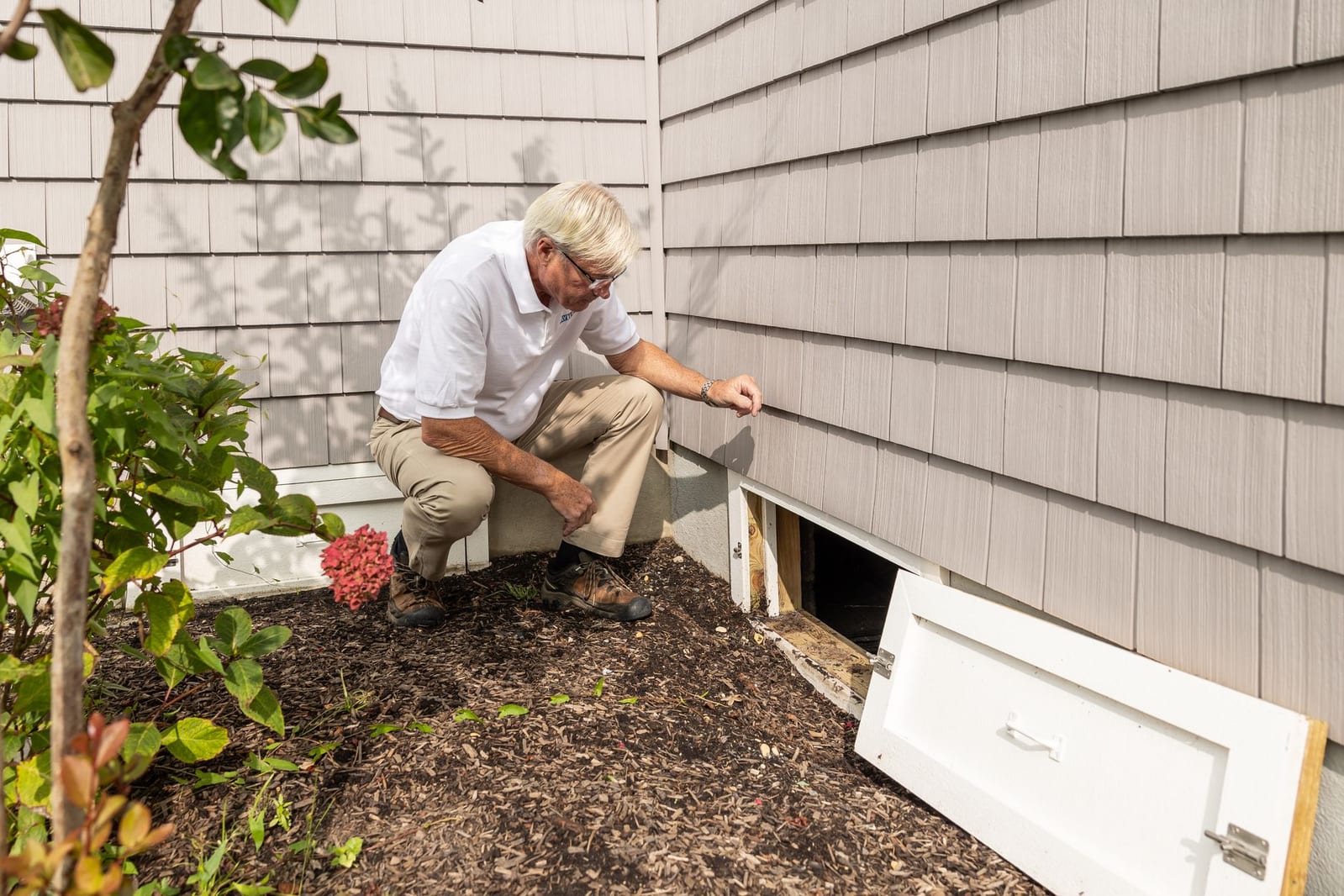
Building inspection in Queens: what to know
Queens is the most varied borough by housing type, and its pest profile varies with it. The dense pre-war co-ops and garden-apartment buildings of Jackson Heights, Flushing and Forest Hills carry the shared walls, courtyards and ageing plumbing that let mice and German cockroaches move between units, while the borough's intense restaurant and market corridors — Roosevelt Avenue, Main Street in Flushing, Steinway Street in Astoria — drive some of the strongest rodent and roach pressure in the city.
Newer high-rise towers in Long Island City and older converted-industrial stock add elevator- and riser-borne rodent and cockroach pressure plus 'water bugs' from shared basements, and high tenant turnover across the rental stock keeps bed bugs a live concern in dense neighbourhoods like Jackson Heights and Jamaica.
Much of Queens, though, is detached and semi-detached single-family homes with yards — Bayside, Queens Village, Middle Village, Ozone Park — a profile heavier on ants, stinging insects, wildlife (squirrels, raccoons) and seasonal mosquitoes than apartment pests, with park edges like Alley Pond, Flushing Meadows–Corona and Juniper Valley adding warm-season outdoor pressure that pushes indoors as the weather cools.
Signs you need building inspection
- You're purchasing or refinancing a multi-family or mixed-use building
- A co-op or condo board needs a condition assessment to support capital planning or a reserve study
- The facade, roof or shared mechanical systems haven't been professionally assessed in years
- You need documentation of building-wide condition ahead of a major renovation or sale
- Visible signs — facade cracking, roof wear, aging boiler equipment — suggest deferred maintenance across the building
How we treat building inspection in Queens
A building inspection steps back from a single unit to assess the property as a whole: the roof and facade, the building envelope (how well the exterior sheds water and holds heat), shared mechanical and electrical plant (boilers, risers, common electrical rooms), structural condition of the frame and foundation, and the state of common areas like hallways, stairwells and lobbies. It's the right scope for someone buying a multi-family building, a co-op or condo board planning capital reserves, or an owner needing a documented condition baseline.
This differs from a single-unit home inspection in both scale and purpose. A home inspection tells a buyer about the unit or house they're about to own; a building inspection tells an owner, board or investor about the health of shared infrastructure that affects every unit and the building's long-term capital needs — a facade with early spalling, a roof nearing the end of its service life, or a boiler plant that's original to a building built decades ago.
Local landmarks & coverage
We serve all of Queens and the surrounding Queens area — including Flushing Meadows–Corona Park, Citi Field, USTA Billie Jean King National Tennis Center, Rockaway Beach, Astoria Park, Queens Boulevard — across ZIP codes 11354, 11355, 11372, 11375, 11101, 11102, 11103, 11385, 11432, 11435.